01 · Brain Health
Brain Health: Upgrade Your Biological Hardware
Your brain is the original computer. Everything else on this site—judgment, skills, income, defense, and daily leverage—runs on it. When the hardware is underpowered, slow, or overheating, the best AI tools in the world only make the gap more obvious. This page treats the brain like a high-performance PC and shows you the practical upgrades that improve RAM (working memory), processing speed, storage (long-term memory), cooling, and power delivery.
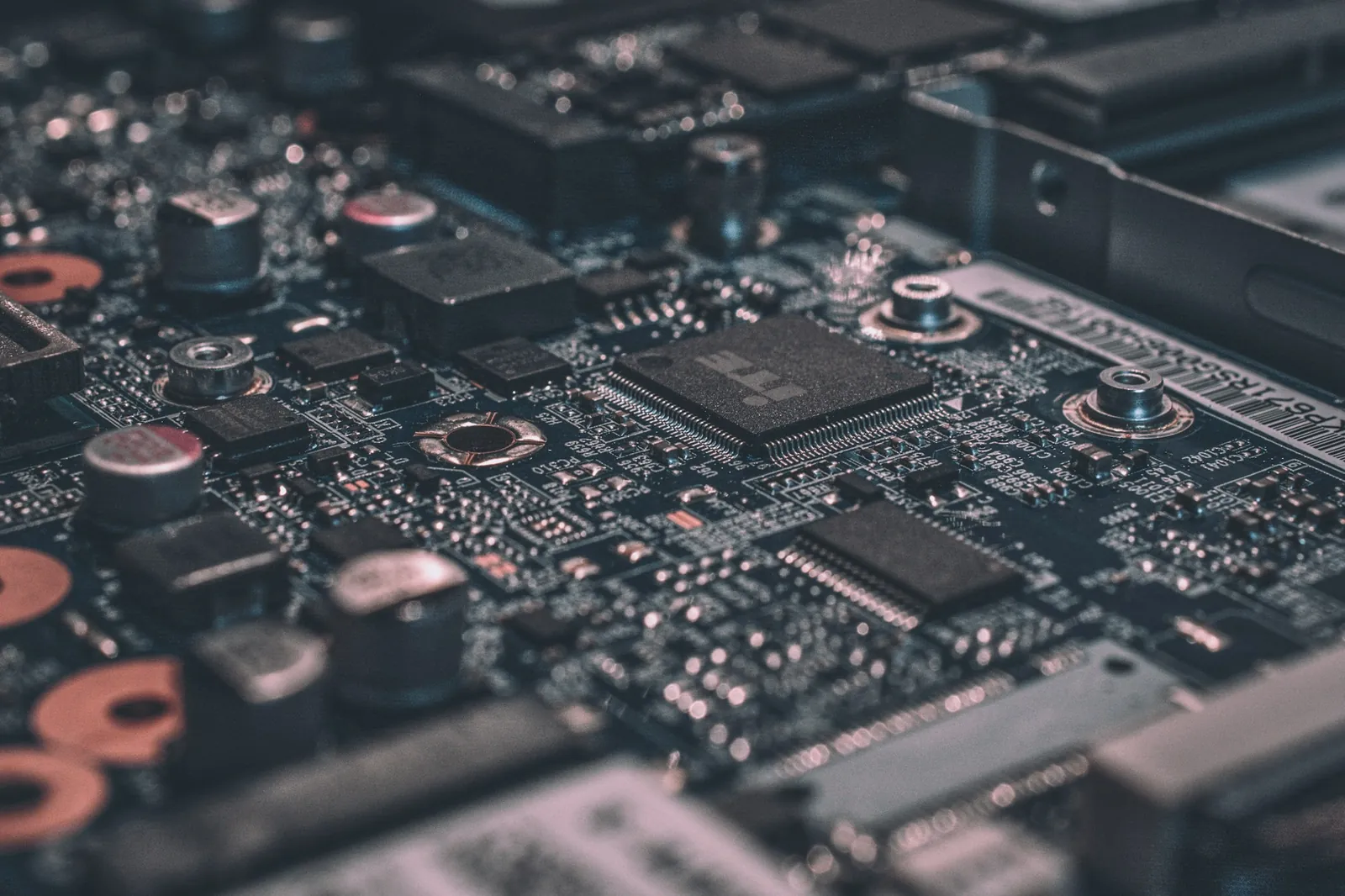
The Brain-as-PC Model
| PC Component | Brain Equivalent | What Good Performance Looks Like |
|---|---|---|
| RAM | Brain EquivalentWorking memory and short-term focus | What Good Performance Looks LikeHolding multiple pieces of information, switching cleanly, resisting distraction |
| Processing speed | Brain EquivalentMental quickness and cognitive throughput | What Good Performance Looks LikeFaster thinking, quicker decisions, less lag under load |
| Storage | Brain EquivalentLong-term memory and learning | What Good Performance Looks LikeReliable encoding and retrieval of skills and knowledge |
| CPU cooling | Brain EquivalentInflammation and metabolic control | What Good Performance Looks LikeSustained performance without brain fog or crashes |
| Power supply | Brain EquivalentSleep, blood flow, and energy metabolism | What Good Performance Looks LikeStable fuel so the system doesn’t throttle |
| Background processes | Brain EquivalentChronic stress, poor sleep, blood-sugar swings | What Good Performance Looks LikeFewer hidden drains that slow everything else |
The goal is not to become a different person. It is to reduce the friction that makes focus expensive and memory unreliable, so you can stay sharp while using AI instead of being slowed by it.
Sleep: The Primary Upgrade
Sleep is the highest-return change for almost every metric above. During sleep the brain consolidates memory (storage), clears metabolic waste, and resets the systems that support working memory and processing speed the next day. Chronic short sleep is the equivalent of running a PC with failing RAM and no cooling.

Practical targets:
- 7–9 hours of actual sleep opportunity for most adults.
- Consistent timing. Going to bed and waking at roughly the same times anchors circadian rhythm and improves sleep quality more than any single supplement.
- Morning outdoor light within the first hour of waking. This sets the clock that later makes evening sleep easier.
- Dim lights and reduce bright screens in the last 60–90 minutes. Blue light and high stimulation delay melatonin.
- Cool, dark, quiet room. Temperature is one of the more controllable variables.

If you are carrying long-term sleep debt, the first priority is simply extending sleep opportunity and protecting consistency. Many cognitive complaints improve more from this single change than from any stack of supplements.
Exercise: Blood Flow and Processing Speed
Physical activity increases cerebral blood flow, supports the growth of new connections, and raises levels of BDNF (a protein involved in learning and memory). Regular movement is one of the more reliable ways to improve processing speed and protect long-term storage.

Effective minimums:
- Zone 2 cardio (conversational pace) most days. Even 20–30 minutes of brisk walking, cycling, or similar work produces measurable benefits.
- Some strength training 2–3 times per week. Resistance work supports overall metabolic health and has independent cognitive associations.
- Movement breaks during long sedentary periods. Standing or walking for a few minutes every hour reduces the performance drop that comes from prolonged sitting.
You do not need extreme training. Consistency beats intensity for brain hardware. The person who walks daily and lifts twice a week usually outperforms the person who does intense workouts sporadically.
Focused Work and Anti-Atrophy Practice
Working memory (RAM) is use-it-or-lose-it. Constant context-switching and immediate AI assistance can reduce the time you spend holding and manipulating information yourself. Deliberate practice of focused attention is the direct training method.

Practical approaches:
- Single-task blocks of 25–50 minutes with the phone in another room and notifications off.
- Start hard tasks before opening AI tools. Form your own outline or first attempt, then use AI to refine.
- Daily review of something you learned or decided without looking it up first. This strengthens retrieval (storage).
- Reduce open loops. External systems (simple lists, calendars) free RAM that would otherwise be spent remembering minor tasks.
These habits do not replace AI. They keep the biological system capable of directing it.
Blood Sugar and Energy Stability
Large glucose swings act like unstable power delivery. They produce energy crashes, irritability, and reduced focus. Stable blood sugar supports more consistent processing speed throughout the day.
Useful patterns:
- Protein and fiber with most meals.
- Limit liquid calories and large refined-carbohydrate loads on an empty stomach.
- If you notice afternoon crashes, experiment with earlier, more balanced meals and a short walk after eating.
- Stay hydrated. Even mild dehydration reduces attention and working memory. Electrolytes matter if you drink large volumes of water or sweat heavily.
Foods That Support the Hardware
No single food upgrades a brain. The pattern that consistently appears in better cognitive outcomes is a diet rich in omega-3 fats, polyphenols, and micronutrients, with adequate protein.

Higher-signal foods:
- Fatty fish (salmon, sardines, mackerel) or other direct sources of EPA and DHA.
- Eggs (choline and other nutrients involved in neurotransmitter production).
- Leafy greens, berries, and colorful vegetables (polyphenols and micronutrients).
- Nuts, especially walnuts, and olive oil.
- Adequate protein from varied sources to support neurotransmitter precursors and overall repair.
These foods are supporting infrastructure. They work best on top of sleep and exercise, not instead of them.
Supplements with Practical Evidence
Supplements are secondary to the habits above. The following have relatively better human data for cognitive support in healthy or mildly stressed adults. They are not medical treatments.
- Creatine monohydrate (3–5 g daily). Supports cellular energy availability in the brain. Studies show benefits for working memory and mental fatigue, particularly under sleep restriction or high cognitive demand. It is inexpensive and well-tolerated for most people.
- Omega-3s (EPA + DHA). Useful when dietary intake of fatty fish is low. Supports membrane structure and has anti-inflammatory effects relevant to long-term brain health. Typical supplemental ranges in studies are 1–2 g combined EPA+DHA.
- Magnesium. Many adults fall short. Forms such as glycinate are commonly used for sleep quality and relaxation; threonate is sometimes chosen for its ability to cross into the brain, though data are still developing. Better sleep alone improves multiple cognitive metrics.
- Vitamin D. Deficiency is common and linked to mood and cognitive complaints. Testing and correcting low levels is more precise than blind supplementation.
- Lion’s Mane mushroom. Popular for subjective focus and possible nerve-growth-factor support. Human evidence is more limited and preliminary than the options above, but it is widely used in cognitive stacks.
Caffeine can improve alertness and processing speed in the short term; pairing it with L-theanine is a common way to reduce jitter. It is a tool, not a foundation, and it interferes with sleep if used late.
Putting It Together: A Simple Baseline
A practical starting configuration for most people looks like this:
- Consistent 7–9 hour sleep window.
- Daily movement (walking plus 2–3 strength sessions per week).
- At least one protected deep-work block per day.
- Protein- and fiber-containing meals with attention to blood-sugar stability.
- Creatine 3–5 g, omega-3s if fish intake is low, and magnesium in the evening if sleep is an issue.
- Morning outdoor light.
Track subjective focus, afternoon energy, and how easily you can hold a train of thought for two to four weeks. Most people notice the largest changes from sleep consistency and reduced context-switching before they notice changes from any single supplement.
This is the hardware layer. Once it is reasonably stable, the other sections of the plan—judgment, skills, ownership, defense, and daily leverage—become easier to execute. The brain does not need to be perfect. It needs to be reliable enough that you remain the one directing the tools instead of being limited by them.